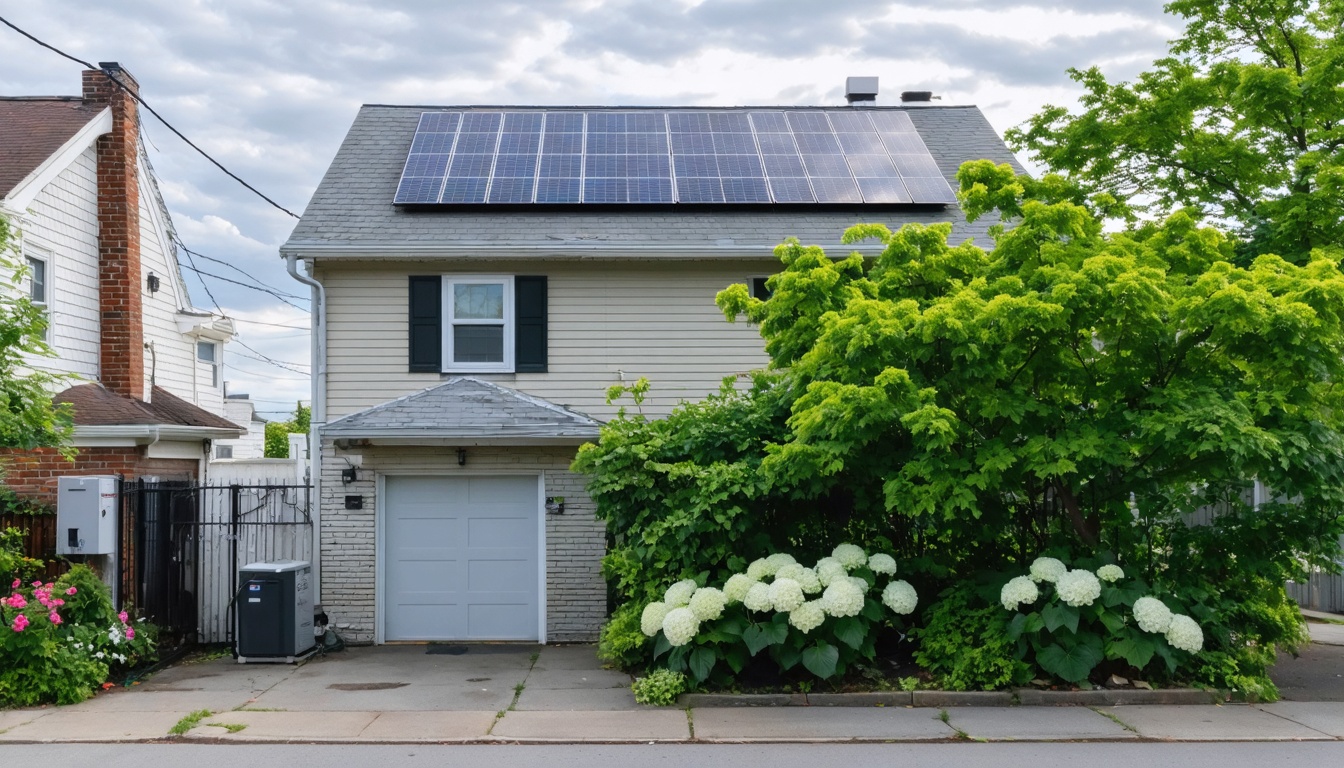
Living in Jamaica, New York, presents challenges related to unpredictable weather patterns and fluctuating energy costs, which can significantly impact household energy management. To address these issues, residents may consider a more comprehensive and resilient energy plan that goes beyond simply paying monthly bills or relying on backup generators. One primary strategy for enhancing energy resilience is investing in energy efficiency upgrades. These can include better insulation, energy-efficient windows, and high-efficiency heating and cooling systems, which can reduce overall energy consumption and lower costs over time. Additionally, exploring renewable energy options, such as solar panels, can also be beneficial. New York offers various incentives and rebates for homeowners who install solar systems, which can reduce reliance on traditional energy sources and provide long-term savings on electricity bills. Community programs play a significant role in supporting residents' energy management efforts. Local initiatives might offer energy audits, financial assistance for upgrades, or information on sustainable energy practices. Engaging with these programs can provide valuable resources and help homeowners make informed decisions about their energy usage. Moreover, residents can consider the integration of energy storage solutions, such as batteries, which allow for the storage of excess energy generated during peak production times for use during outages or low-production periods. This can enhance the reliability of home energy systems. By considering these strategies—improving energy efficiency, exploring renewable energy sources, participating in community programs, and integrating storage solutions—homeowners in Jamaica, New York, can develop a more resilient approach to energy management that effectively addresses the challenges of their environment.
Electricity bills in Jamaica, NY, average approximately $352 per month, equating to around $0.31 per kWh, a rate that exceeds the state average. This high cost poses a challenge for residents, particularly those living in less energy-efficient buildings. The increased rates are largely due to investor-owned utilities, fluctuating fuel prices, and significant heating and cooling demands throughout the year.
To assist residents in managing these costs, programs such as Empower NY and the Home Energy Assistance Program (HEAP) are available. These initiatives aim to ease utility expenses and enhance health outcomes related to energy usage.
Additionally, the energy supply in Jamaica consists of approximately 26% sourced from natural or renewable resources, which can help reduce overall energy costs and decrease greenhouse gas emissions.
Community development efforts, including Community Choice Aggregation (CCA) programs, also provide residents with potential opportunities to lower their energy expenses. These programs leverage collective purchasing power to negotiate more favorable rates, thereby encouraging sustainable energy practices within the community.
Energy costs remain a significant challenge for households in Jamaica, NY. In response to these challenges, weatherization and energy efficiency programs have been implemented to provide support.
Two prominent initiatives available to qualifying residents are the Weatherization Assistance Program and EmPower+. These programs are designed to lower heating and cooling expenses by facilitating upgrades in areas such as insulation, clean heating technologies, and solar energy integration.
The initiatives aim to decrease the overall consumption of electricity, fuel, and natural gas. Recently, adjustments to the eligibility criteria have expanded access for a wider variety of families and buildings, which may lead to increased utility savings and a reduction in the environmental effects of energy use.
Over a span of five years, individuals participating in these programs may experience benefits including improved health outcomes due to better living conditions, a reduction in greenhouse gas emissions, and positive contributions to the development of the housing market within New York.
Those interested in these options can find further information through the official channels of the respective programs.
Participation in the EmPower+ program has systematically benefited local households in Jamaica, NY, particularly in mitigating the rising energy costs. The program offers targeted support to those eligible by improving the energy efficiency of homes. This includes enhancements such as upgraded insulation and more effective heating and cooling systems, which can decrease reliance on fuel oil and natural gas.
These improvements lead to measurable utility savings each year, resulting in reduced energy bills, lowered energy burdens, and a decline in greenhouse gas emissions. Over a five-year period, the state has allocated $234 million to this initiative.
This funding not only helps families redirect financial resources towards areas such as health and nutrition but also supports broader community development efforts. Additionally, the EmPower+ program aligns with New York’s overarching climate objectives.
Individuals seeking more information are encouraged to contact the Home Energy Assistance Program (HEAP) or EmPower for further assistance and details.
If you are evaluating the potential savings associated with solar energy in Jamaica, NY, it is advisable to consider the financial implications carefully.
Homeowners in the region may save an estimated average of over $131,000 on electricity costs over a 25-year span by adopting solar energy systems, including services offered through Solar Energy Services in Jamaica. This savings derives from decreased reliance on grid electricity, along with the opportunity for net metering, which permits homeowners to sell surplus energy back to the grid.
The installation of solar energy systems can lead to more efficient residential energy use and may alleviate the financial burden of high utility bills.
Additionally, state programs like Empower and HEAP could provide financial support to qualifying households, further lowering the expenses related to transitioning to solar energy.
From an environmental perspective, solar installations can reduce the reliance on natural gas and can contribute to a decrease in greenhouse gas emissions. This transition may benefit public health as well as environmental conditions.
To assess installation options and gather pricing information, homeowners might consider reaching out to established solar installers in New York, such as Leviathan Solar Inc. They may also provide warranties which can offer added value and assurance for homeowners making investments in solar technology.
Community Choice Aggregation (CCA) enables residents to collectively negotiate electricity rates with suppliers, thereby potentially lowering costs for both households and commercial entities. In Jamaica, NY, residents can engage in CCA programs, which may lead to reduced energy expenses, particularly related to heating and cooling demands.
Participating in CCA programs can result in several advantages, including savings on utility bills and the opportunity to integrate renewable energy sources such as solar power. These practices are generally more efficient than traditional methods and may help reduce greenhouse gas emissions.
Additionally, such programs often align with local community development efforts, reflecting both state environmental policies and public health objectives.
During a five-year participation period, residents can actively contribute to achieving larger environmental targets while also deriving personal financial benefits.
It is recommended that residents consult with local CCA programs to determine their eligibility and to verify that their energy sources are aligned with the community's sustainability objectives, specifically with a focus on decreasing reliance on natural gas.
To manage high utility costs and fluctuating energy demands in Jamaica, NY, homeowners can adopt several practical measures aimed at enhancing energy efficiency and resilience. Effective strategies include upgrading insulation and installing energy-efficient windows, which can help reduce heating and cooling costs.
Homeowners may also explore programs such as EmPower, Weatherization Assistance, and the Home Energy Assistance Program (HEAP) that offer financial assistance for eligible families to help cover electricity and fuel expenses.
The installation of solar energy systems is another option for homeowners, potentially leading to considerable long-term financial savings. Estimates suggest that utilizing solar energy could result in utility cost reductions of up to $131,300 over a span of twenty-five years. This transition not only reduces individual households' financial burden but also aids in decreasing greenhouse gas emissions.
Conducting energy audits is important, as these evaluations can uncover additional opportunities for improving energy efficiency in homes. Homeowners are advised to contact local community development offices for further resources and information related to energy efficiency initiatives available in the area.
By implementing these measures, residents may mitigate some of the financial challenges posed by energy costs while also contributing to improved health outcomes and enhanced resilience in their community.
Implementing a resilient home energy plan in Jamaica, NY can enhance preparedness for potential power outages, reduce energy expenses, and decrease dependence on the local grid. A comprehensive approach that combines renewable energy sources, energy efficiency upgrades, and community resources can offer protection for households while providing a sustainable energy framework. It is also essential to integrate disaster preparedness and long-term energy planning into this strategy. Homeowners should explore existing programs and incentives that facilitate a more environmentally friendly and economically viable energy use, ensuring both stability and sustainability over time.