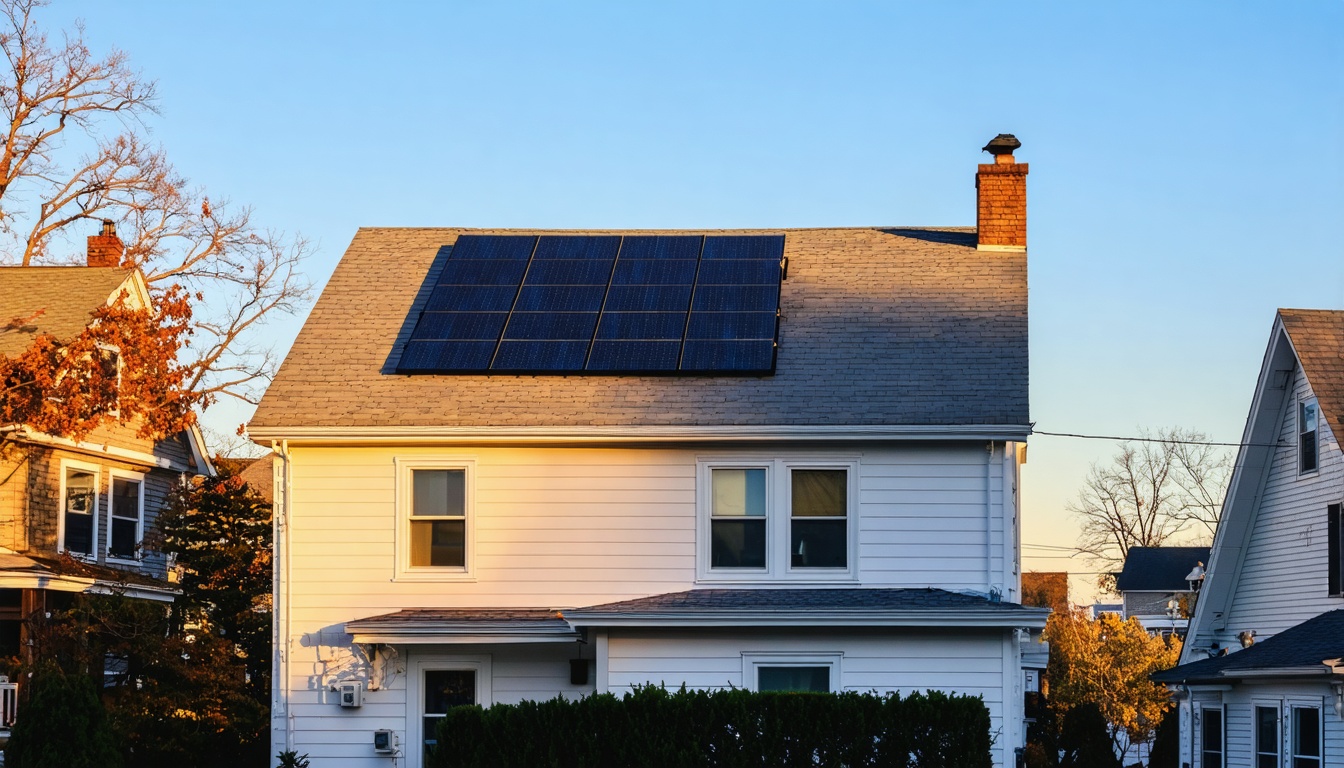
If you own a home in Providence, exploring options for reducing costs and increasing your property's value may be beneficial. One such option is upgrading to a solar-ready roof, particularly in light of Rhode Island's initiatives promoting clean energy. Understanding the characteristics of solar-ready roofing systems can help you assess their potential impact on your home's energy efficiency, aesthetic appeal, and long-term financial benefits. Solar-ready roofs are designed with specific features that facilitate the installation of solar panels. These include a structural framework capable of supporting the additional weight and provisions for wiring and water drainage. Implementing such roofing can streamline the process of adding solar energy systems in the future. When considering a solar-ready roof, evaluate the initial costs, as these upgrades may temporarily increase your expenses. However, they can lead to significant savings over time through reduced energy bills and potential tax incentives associated with solar energy installation. It is also important to consider any local building codes or regulations applicable to solar installations that might affect your decision. In summary, a solar-ready roof may provide practical advantages for homeowners in Providence, especially with regard to energy efficiency and long-term savings. Careful consideration of costs, local regulations, and the specific benefits associated with such upgrades will inform your decision-making process.
Solar-ready roofing systems are specifically designed to facilitate the future installation of solar panels. Unlike traditional roofing, which serves mainly to protect a home, solar-ready roofs incorporate features that streamline the integration of solar technology. This design trend has gained visibility in Rhode Island, particularly in urban areas such as Providence, in response to an increasing focus on sustainable building practices.
Key characteristics of solar-ready roofing include the use of durable materials, built-in wiring for solar connections, and reinforced structural support to accommodate the weight and installation requirements of solar panels. These design elements simplify the installation process and may reduce the initial costs associated with transitioning to solar energy.
Additionally, by preparing for future solar installations, homeowners may take advantage of programs such as net metering and backup power solutions, potentially increasing property value.
The adoption of solar-ready roofing systems also aligns with federal tax incentives and broader energy sustainability objectives. In regions like Rhode Island, implementing these systems contributes to lower carbon emissions and promotes long-term energy resilience.
By considering solar integration during the initial roofing phase, homeowners may position themselves to make decisions that reflect both individual and collective goals related to renewable energy.
Solar-ready roof upgrades present a viable option for homeowners in Providence who are focused on improving energy efficiency and adapting to local climate conditions. By installing a solar-ready roof, homeowners can potentially lower their electricity costs by up to 70%. Additionally, such installations may qualify for federal tax incentives, which can enhance their financial feasibility.
The introduction of solar systems can also influence property values, particularly in Rhode Island’s historic neighborhoods where aesthetic considerations are significant for prospective buyers. Utilizing solar shingles can not only improve the appearance of a home but also offers increased durability, which may contribute to long-term sustainability goals by lowering carbon emissions.
Furthermore, the mechanisms of net metering and grid support add value for Providence homeowners, offering opportunities for financial returns and energy stability.
In summary, solar-ready roofs can be considered a sound investment for homeowners in the region, aligning with both economic interests and environmental considerations.
Before proceeding with the installation of a solar-ready roof upgrade, it is important to assess several practical factors that may affect both the cost and feasibility of the project.
One primary consideration is the potential for a higher upfront cost, especially if the existing roof or supporting structures require reinforcement to support the solar system.
A thorough analysis of the roof's pitch and orientation is necessary to maximize energy production.
Furthermore, it is recommended to examine available Federal tax credits, net metering options, and specific incentives that may be applicable to homeowners in Rhode Island, as these can impact the overall financial viability of the installation.
While the installation of solar systems in Providence can contribute to sustainable energy use and offer backup power capabilities, it is essential to recognize that the payback period for such investments typically spans several years.
To make an informed decision, consulting reviews of various products and services, exploring financing options, and seeking advice from local professionals such as residential solar specialists like Residential Solar Specialists can be beneficial.
A solar-ready roof upgrade involves focusing on structural components that ensure the effectiveness of solar installations over the long term. It is important to enhance roofing and support systems to properly accommodate the weight of solar panels and ensure durability. Including features such as pre-wired conduits can streamline the installation process for future solar panel setups, particularly in areas like Providence.
Optimizing roof orientation and pitch is fundamental for maximizing energy capture, particularly in light of New England's unique climate conditions. Selecting durable roofing materials not only contributes to the roof's longevity but also helps to reduce ongoing maintenance expenses.
Homeowners should be aware of financial incentives available for solar adoption, including net metering options, state grants in Rhode Island, and federal tax credits. These financial supports can significantly mitigate the initial costs associated with solar upgrades, enhancing the accessibility of such investments for residents in Providence.
In summary, preparing a roof for solar capabilities can lead to a more sustainable energy landscape, lower carbon emissions, and may provide a reliable backup energy source, contributing to the overall resilience of the power supply from the grid.
In Providence, working with a local solar and roofing expert, such as Rooftop Power, can facilitate the transition to a solar-ready roof. This collaboration ensures that the installation complies with regional standards and is suited to local weather conditions.
Professionals with experience in Providence installations can design systems aimed at providing long-term value through energy savings and potential net metering benefits.
The service typically includes managing the necessary permits and ensuring adherence to Rhode Island Energy regulations, thus addressing some of the complexities associated with renewable energy projects. Financing options are often available to help manage upfront costs, and it is important to note that federal tax incentives may also apply.
For homeowners in Providence, implementing solar systems can help reduce dependency on the electrical grid and lower carbon emissions. Additionally, these systems can offer a dependable source of backup power.
For those seeking support and guidance in the transition to solar energy, reaching out to local experts like Rooftop Power may provide helpful resources.
Upgrading to a solar-ready roof involves several key considerations relevant to homeowners in Providence, Rhode Island. This type of upgrade is aimed at preparing a home for the potential installation of solar panels, which can provide financial and environmental benefits. A solar-ready roof is typically designed with specific materials and structural support to accommodate solar technology. The advantages of such an upgrade include an increase in the property’s market value, potential savings on electricity costs, and contributions to state sustainability targets. Homeowners should conduct a thorough assessment of their existing roof to evaluate its suitability for a solar upgrade. This includes examining factors such as the roof's angle, orientation, and condition. Additionally, it is advisable to explore local incentives available for solar energy adoption in Rhode Island, as these can facilitate the initial investment. Consulting with roofing and solar energy experts can provide tailored guidance to ensure the roof design aligns with future energy needs. In summary, preparing a roof for solar energy involves careful planning and consideration, positioning homeowners to take advantage of solar technology when they are ready to make that investment.