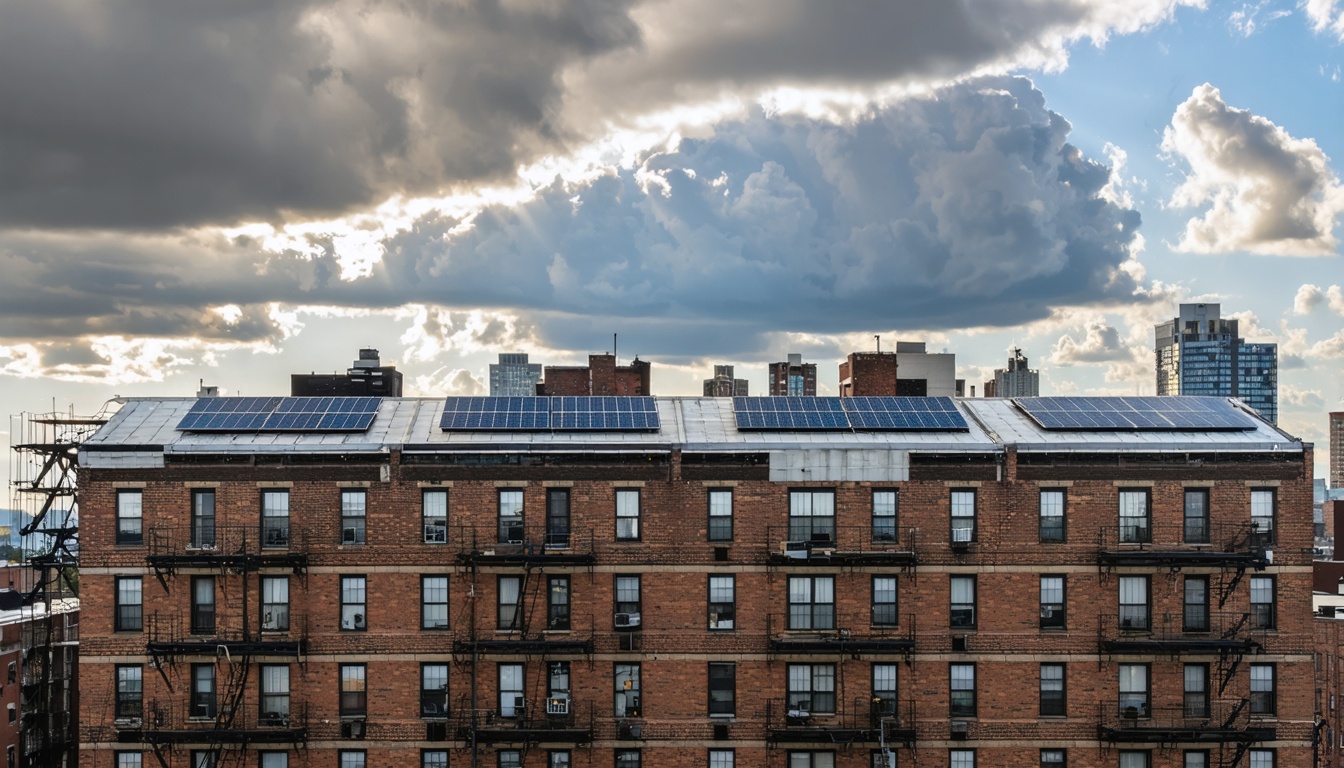
When evaluating solar energy options in the Bronx, local weather conditions play a significant role in informing decisions. Variations in temperature, the urban heat island effect, and seasonal weather changes can all influence the performance of solar panels, as well as the timing of their installation. The Bronx experiences a humid subtropical climate, characterized by hot summers and cold winters. During the summer months, high temperatures can lead to increased energy generation from solar panels due to higher sunlight exposure, but prolonged heat may also impact the efficiency of some solar technologies. Conversely, winter months bring challenges such as potential snow accumulation on panels, which can obstruct sunlight and reduce energy production if not cleared. Additionally, the variability in sunlight throughout the year affects both the output and optimal placement of solar arrays. Installing panels at the right angle and orientation is essential to maximize sunlight capture, particularly considering the lower sun angles during winter. To make informed decisions on solar energy systems, it is crucial to assess these local climatic conditions and how they interact with solar technology performance. Understanding the regional weather patterns can help homeowners and businesses in the Bronx optimize their solar investments and enhance energy efficiency.
The Bronx has an average of approximately 207 sunny days per year, which is beneficial for the operation of solar panels.
However, local weather patterns can significantly affect the efficacy of solar energy systems. Fluctuations in temperature, precipitation, and cloud cover can impact both energy production from solar panels and the overall demand for electricity.
On days with ample sunlight, solar panels can help decrease greenhouse gas emissions and contribute to the development of sustainable infrastructure in urban areas.
Nevertheless, during extreme heat events, the efficiency of solar panels may decrease. This reduction in output has the potential to increase the demand for electricity, placing additional strain on Con Edison’s resources to maintain reliable service.
To make informed decisions regarding solar energy utilization, it is critical to monitor environmental changes continuously.
Residents are advised to stay updated on energy initiatives and their implications for service by subscribing to relevant newsletters and reviewing Privacy Terms before engaging with service providers.
When evaluating the feasibility of solar energy implementation in the Bronx, it is crucial to examine the seasonal variations in sunlight availability and their effects on energy production. The borough experiences an average of up to 6.5 peak sun hours per day during the summer months. In contrast, this figure typically declines to around 4 to 5 hours per day in the winter.
This fluctuation necessitates meticulous planning to ensure that electricity demands are consistently met while aiming to reduce greenhouse gas emissions and promote the City’s Environmental Justice initiatives.
A comprehensive assessment of specific locations is critical, particularly with regard to potential shading from adjacent tall buildings or trees, which can considerably impact solar energy production.
Thoughtful planning concerning infrastructure and technology can support local communities in developing sustainable energy sources, enhancing public health outcomes, and improving the operational efficiency of Con Edison’s energy services.
This structured approach can aid in achieving a more reliable integration of solar energy within the Bronx's overall energy framework.
Urban heat has a measurable effect on the efficiency of solar panels, particularly in densely populated areas like the Bronx. Studies have shown that higher ambient temperatures can improve the energy output of solar panels, with efficiency levels increasing by around 10% in warmer conditions. This improvement in energy generation is pertinent given the rising demand for electricity, driven by factors such as population growth and ongoing infrastructure advancements led by Con Edison.
Nonetheless, the long-term effects of sustained high temperatures on solar technology warrant careful consideration. For instance, understanding the importance of Solar Panel Maintenance in the Bronx can help mitigate these risks. Prolonged thermal exposure can accelerate the degradation of solar systems, potentially jeopardizing the city's efforts to reduce greenhouse gas emissions and enhance environmental sustainability.
In response to these challenges, green roofs have been identified as a pragmatic approach to mitigating urban heat. By providing insulation and lowering surrounding temperatures, green roofs can create a more stable climate that benefits the operational efficiency and lifespan of solar installations. This strategy contributes not only to the durability of renewable energy systems but also to urban resilience and the reliability of energy services.
Additionally, ongoing communication through official channels is important to educate the public on these issues. It is also essential to utilize justice-focused language, as this approach emphasizes the need for safeguarding individual privacy alongside the advancement of New York's energy goals.
The Bronx is facing considerable challenges regarding renewable energy as extreme weather events become more prevalent and severe. Notable historical incidents, including hurricanes Elsa, Henri, and Ida, have exposed weaknesses within the city’s power infrastructure, particularly the susceptibility of solar installations to flooding. These events have sparked extensive discussions aimed at improving the resilience of solar energy systems.
During extreme heat events, electricity demand increases significantly, and solar energy systems offer a viable alternative to traditional energy sources, such as Con Edison. This shift has the potential to contribute to a decrease in greenhouse gas emissions in New York City.
Initiatives like the Mayor’s ElectrifyNYC program are aimed at addressing infrastructure vulnerabilities while emphasizing environmental justice and equitable access to renewable energy sources.
As various stakeholders consider potential solutions, the establishment of resilient solar systems is increasingly viewed as critical for maintaining a reliable energy supply amid climate-related challenges. The development of such systems is essential not only for energy generation but also for protecting public health and enhancing overall community resilience in the face of changing climate conditions.
A range of policy incentives is facilitating solar energy adoption in the Bronx, making it more accessible and financially feasible for residents and businesses. In New York City, various initiatives, including tax credits and rebates, aim to lower installation costs and promote the development of renewable energy infrastructure. The NY-Sun program serves as a central mechanism for encouraging solar installations by providing financial support.
The Climate Mobilization Act is another critical component of the city’s efforts to meet stringent environmental standards. This legislation is designed to reduce greenhouse gas emissions and lessen the demand for electricity from Con Edison’s grid.
Furthermore, community solar projects enable individuals who cannot install solar panels on their properties to participate in renewable energy generation, thereby addressing issues of energy equity and public health.
In summary, these policy measures play an essential role in advancing New York's goals for sustainable energy solutions and enhancing the ongoing shift toward renewable energy.
The Bronx is experiencing rising temperatures and increased electricity consumption, prompting the need for carefully planned solar energy investments that take local climate conditions into account. Evaluating the implications of New York City's Climate Mobilization Act and associated local environmental initiatives is critical in shaping effective solar energy solutions. These measures aim to ensure that solar investments can endure higher temperatures and spikes in electricity demand.
Collaboration with utility companies such as Con Edison and local municipal services is important for optimizing infrastructure to maintain power reliability and improve public health outcomes.
Furthermore, engaging the community through informational newsletters and regular updates can help address concerns related to privacy and social justice in solar energy deployment.
Investing in sustainable strategies is essential for reducing greenhouse gas emissions and securing a sustainable future for the Bronx. Exploring energy systems that are adaptable to variable weather patterns can establish a more resilient framework for solar energy initiatives in New York City. This strategy not only addresses current energy requirements but also supports overarching environmental objectives.
When considering solar energy options in the Bronx, understanding local weather patterns is essential. Weather conditions, including temperature fluctuations, precipitation levels, and sunlight availability, significantly influence the efficiency and output of solar energy systems. Seasonal variations can lead to differences in performance; for instance, winter months may present challenges due to shorter daylight hours and potential snow cover, which can obstruct solar panels. Additionally, urban factors such as building height, shading from surrounding structures, and air quality can impact solar energy generation. As the Bronx experiences a unique mix of urban environment and climate, these factors must be carefully evaluated to optimize system performance. Furthermore, the financial implications of solar energy in the Bronx are worth noting. Current policy incentives may provide financial support for the installation of solar systems, encouraging residents to consider these options. Community interest in sustainable energy sources is also on the rise, reflecting a broader understanding of environmental impact and energy dependence. In summary, the effectiveness of solar energy in the Bronx is contingent upon local weather conditions, urban dynamics, and available policy incentives. A methodical approach that prioritizes informed decision-making can lead to beneficial outcomes for both households and the surrounding environment.